

Dry Needling Physical Therapy in Quincy, MA
Dry needling is an evidence-informed technique some physical therapists use to help reduce muscle tension, improve mobility, and calm stubborn pain patterns. At Quincy Physical Therapy, we use dry needling as part of a complete rehab plan—not as a standalone “quick fix.”
If you’ve been dealing with tightness that won’t let go, recurring trigger points, or pain that keeps returning even after rest, dry needling may be an appropriate tool to help you move more comfortably and progress your strengthening plan.
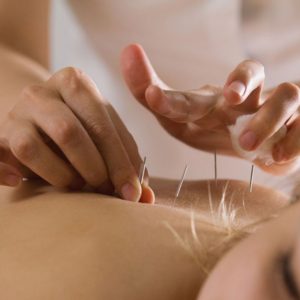 Dry needling may help with:
-
muscle tightness and trigger points
-
neck pain treatment
-
shoulder pain physical therapy
-
headaches related to muscle tension
-
hip pain physical therapy
-
tendon and overuse irritation (when appropriate)
-
sports-related muscle strains and recurring “knots”
(Not every condition is a dry needling condition — we screen first and only recommend it when it fits your presentation and goals.)
How Dry Needling Fits Into Your Rehab
Dry needling is most effective when paired with the right follow-up care. That’s why our sessions typically include a combination of:
-
mobility work to restore range of motion
-
strengthening and motor control to “lock in” the gains
-
education on posture, training loads, and symptom management
-
a simple home plan so progress continues between visits
Our goal is to help you feel better and build capacity—so you’re not stuck relying on passive treatments.
If dry needling isn’t the right fit, we’ll still build a plan using manual therapy and progressive exercise.
What to Expect at Your Dry Needling Visit
1) Quick check-in + screening
Your therapist will review your symptoms, health history, medications, and any factors that may affect safety (for example: bleeding risk, pregnancy, recent surgery, or skin sensitivity).
2) Movement + muscle assessment
We’ll identify the specific muscles and trigger points that may be contributing to your pain, stiffness, or movement limitation.
3) Clear explanation + consent
Before anything begins, we’ll explain what to expect, potential side effects, and alternatives. You’re always in control — you can pause or stop at any point.
4) The needling itself (typically brief)
A thin, sterile needle is inserted into targeted muscle tissue. Sensations vary from mild pressure to a short “twitch” response.
5) After-needling treatment
Most sessions include follow-up care like mobility work, strengthening, and education to support lasting improvement.
6) After effects (normal, expected)
Common short-term responses include soreness for 24–48 hours and mild bruising.
Tips for the rest of the day
-
Hydrate
-
Keep moving gently
-
Use heat for soreness
-
Avoid intense training if the area feels irritated
If you’re not sure whether dry needling fits your symptoms, start with an evaluation: request an appointment.
Safety + Eligibility FAQ
Is dry needling safe?
When performed by a properly trained clinician using sterile technique, dry needling is considered a safe intervention. We reduce risk by screening for contraindications, using clean technique, and choosing appropriate areas and depth.
Who should NOT get dry needling (or should check with a physician first)?
Dry needling may not be appropriate if you:
-
have a bleeding disorder or are on blood thinners
-
are pregnant
-
have an active infection or skin infection near the area
-
have uncontrolled diabetes or impaired sensation
-
have a compromised immune system
-
have a history of fainting with needles or strong needle anxiety
-
have had recent surgery or certain implanted devices (depending on location)
If you’re unsure, we’ll screen you and can coordinate with your provider when needed.
Does it hurt?
Most people describe it as brief discomfort. We can adjust technique and stop anytime.
Can I drive afterward?
In most cases, yes. If you tend to feel lightheaded with needles, we’ll have you rest after treatment before leaving.
What are normal side effects?
Soreness (24–48 hours), mild bruising, temporary symptom flare, or fatigue.
When should I call you after treatment?
Contact us if you experience increasing redness/warmth/swelling, new or worsening numbness/weakness, or any severe symptoms.
How many sessions will I need?
It depends, but many patients notice change within 1–4 visits. Dry needling is often most effective when paired with exercise and movement retraining.
Is dry needling the same as acupuncture?
They both use thin needles, but the clinical reasoning and goals can differ.
Ready to Get Started?
Schedule an evaluation and we’ll assess your movement, identify what’s driving symptoms, and build a plan that may include dry needling if appropriate.