

Vertigo, Dizziness & Concussion Physical Therapy in Quincy, MA
Dizziness, vertigo, and concussion symptoms can be scary — especially when they affect your balance, vision, and confidence doing everyday things like walking, driving, working, or exercising.
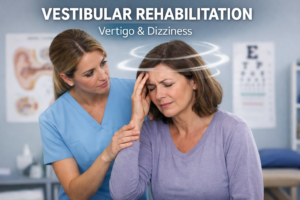
At Quincy Physical Therapy, our therapists are Certified Vestibular Rehabilitation Specialists trained to evaluate and treat dizziness, vertigo, imbalance, and other vestibular disorders. We combine evidence-based vestibular rehab, guided exercise progression, and clear education so you can recover safely and get back to normal life.
Signs You May Benefit From Vestibular or Concussion Rehab
You may be a good fit for this service if you’re experiencing:
-
Spinning sensations (true vertigo)
-
Dizziness or lightheadedness
-
Balance problems, unsteadiness, or fear of falling
-
Motion sensitivity (busy stores, car rides, quick head turns)
-
Nausea related to movement
-
Blurred vision or trouble focusing your eyes
-
Headaches, especially with screen use or activity
-
Symptoms after a concussion that linger or flare with exertion
If weakness, walking difficulty, or fall risk is the main issue (with or without dizziness), you may also benefit from Neurological Conditions and Balance Physical Therapy.
Common Conditions We Treat
Our therapists evaluate and treat a wide range of vestibular, concussion, and related issues, including:
-
BPPV (benign paroxysmal positional vertigo)
-
Vestibular hypofunction
-
Vestibular neuritis / labyrinthitis-type presentations
-
Persistent dizziness after illness, travel, or imbalance episodes
-
Post-concussion symptoms (dizziness, headaches, exertion intolerance, balance issues)
-
Cervicogenic (neck-related) dizziness when appropriate
-
Headaches influenced by neck dysfunction, vestibular impairment, or movement sensitivity
Why These Symptoms Happen
Dizziness and post-concussion symptoms often come from one or more systems working together:
-
Inner ear (vestibular) system: detects head movement and supports balance
-
Vision system: helps stabilize gaze and orientation
-
Neck and proprioception: provides position awareness and movement input
-
Brain processing + exertion tolerance: especially relevant after concussion
That’s why “just rest” or random exercises don’t always fix it — you usually need the right exam to identify the primary driver(s), then a targeted plan.
Our Treatment Approach: Evidence-Based and Goal-Driven
Vestibular and concussion rehab is an exercise-based program designed to reduce dizziness, improve balance, and restore normal movement. Your plan may include:
-
Canalith repositioning maneuvers (when BPPV is present)
-
Balance retraining and fall-risk reduction
-
Gaze stabilization and visual/vestibular integration strategies
-
Habituation exercises (to reduce motion sensitivity)
-
Graded exposure to triggers (screens, busy environments, head turns, bending)
-
Sub-symptom threshold aerobic conditioning (when appropriate for concussion recovery)
-
Neck mobility/strength work if cervical factors are contributing
-
An individualized home program that evolves as you improve
When headaches or neck stiffness are part of the picture, we may incorporate Manual Physical Therapy and (when appropriate) Dry Needling as supportive tools—so you can tolerate and progress your active rehab.
Headaches: Treat the Root Cause, Not Just the Pain
Headaches can be driven by multiple factors — including neck dysfunction, muscle tension, vestibular issues, and post-concussion changes.
Our goal is to identify why your headaches are happening and build a plan that reduces frequency and intensity while improving function. Your program may include:
-
Targeted mobility and strength work
-
Movement retraining and education
-
Vestibular/visual strategies when indicated
-
Supportive hands-on care via Manual Physical Therapyand/or Dry Needling
What to Expect at Quincy Physical Therapy
Your first visit (evaluation)
We’ll take a detailed history and perform an exam that may include:
-
Positional testing for vertigo (BPPV screening)
-
Eye movement and gaze stability testing
-
Balance and gait assessment
-
Neck screening when relevant
-
Exertion tolerance screening (especially after concussion)
-
Identifying triggers and creating a plan to reduce flare-ups
Your plan
You’ll leave with:
-
A clear explanation of what’s likely driving your symptoms
-
A targeted home program you can start right away
-
A progression plan with measurable goals (balance, dizziness intensity, activity tolerance, return to work/sport)
If your symptoms are limiting your ability to train or return to sport, we can coordinate your progression with Orthopedic Conditions and Sports Physical Therapy and eventually Strength Training and Performance.
Vertigo, Dizziness & Concussion FAQs
How do I know if it’s vertigo (BPPV) or something else?
Vertigo from BPPV is often a brief spinning sensation triggered by position changes (rolling in bed, looking up, bending down). Your evaluation helps determine whether BPPV is present or if another vestibular/concussion factor is driving symptoms.
Will the repositioning maneuvers make me dizzy?
They can temporarily reproduce symptoms—that’s normal and often expected. We prioritize safety and explain what you may feel before we do anything.
How many visits does it usually take?
It depends on the cause. Some BPPV cases improve quickly, while vestibular hypofunction or post-concussion rehab may require a longer, progressive plan.
Can PT help even if my concussion was months ago?
Yes. Symptoms can appear later or linger, and targeted rehab can improve balance, dizziness, headaches, and activity tolerance.
What if screens and busy environments trigger symptoms?
That’s common. We use graded exposure and specific visual/vestibular exercises to improve tolerance over time.
Do you treat dizziness caused by the neck?
Sometimes. If your exam suggests cervical involvement, we may include neck mobility/strength plus Manual Physical Therapy as part of the plan.
What are red flags that need urgent medical attention?
Seek urgent care for sudden severe weakness, facial drooping, new speech/vision changes, fainting, chest pain, or a “worst headache of your life.”
What should I wear/bring to my first visit?
Wear comfortable clothing and bring a list of medications and any helpful notes or imaging reports you have. If you use glasses/contacts, bring what you normally wear.
Start With a Free Discovery Visit
If you’d like to talk through symptoms before committing to therapy, call us at 617-481-2000 and ask to speak with a therapist, or schedule a discovery session.
Follow Quincy Physical Therapy on Facebook, LinkedIn, and Instagram!