

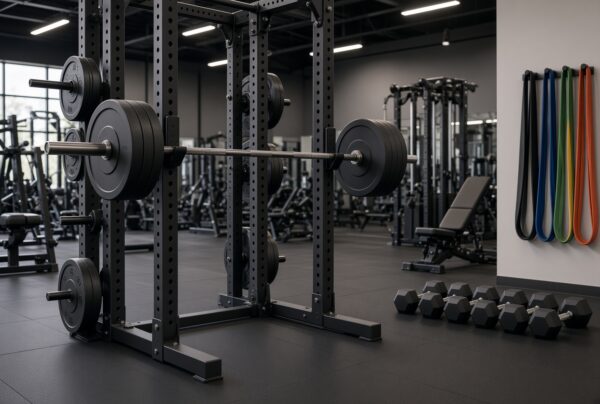
Returning to lifting after a break is something almost everyone faces at some point. Whether you took time off for vacation, recovered from illness, or are starting strength training for the first time, how you approach returning to lifting after a break makes a big difference. Jumping straight back into previous weights or intensity often leads to excessive soreness, joint pain, or injury.
At Quincy Physical Therapy, we help people with returning to lifting after a break every week. The key is simple: start easier than you think you need to, and build back gradually.
What Happens to Your Body When You Stop Lifting
When you take a break from lifting, a few things change in your body:
- Your muscles get a little weaker and smaller.
- The connection between your brain and muscles becomes less efficient.
- The tissues that connect muscle to bone (tendons) lose some strength and readiness. These tissues take longer to bounce back than muscle does.
Research shows that strength and muscle size decline after training stops, and the longer the break, the greater the loss.¹ A week or two off is usually no big deal. Several weeks or months away means your body needs time to rebuild when returning to lifting after a break.
Why Gradual Progress Matters When Returning to Lifting After a Break
Your body gets stronger when you gradually ask it to do a little more over time. If you suddenly ask for a lot more than it can currently handle, you increase the chance of problems.
Think of it like this: if you haven’t run in months, you wouldn’t start with a hard 5-mile run. You’d start with shorter, easier runs and build up. The same idea applies when returning to lifting after a break.
Professional guidelines recommend reducing training volume significantly when returning after inactivity and building back over several weeks.² This careful building process is a big part of how we approach Strength Training & Performance Programming at our clinic. We help people move from basic recovery into stronger, more confident training at a pace their body can handle.
Practical Tips for Returning to Lifting After a Break
After a short vacation (1–2 weeks) You can usually get back close to your normal weights fairly quickly. On the first session or two, use slightly lighter weights or do a few less sets. Focus on good form and stop each set before it feels extremely hard. Most people feel close to normal within a week or two.
After being sick or taking longer time off (3 weeks or more) Start with noticeably lighter weights — often around half to two-thirds of what you used before. Do fewer total sets. Give your body several weeks to rebuild. Pay attention to how you feel the day after training. If you’re extremely sore or something feels “off,” stay at that easier level a bit longer.
If you’re lifting for the first time Everything is new. Your body needs time to learn the movements and build basic strength. Start with light weights you can control easily. Focus on learning good form. Leave plenty of energy in the tank at the end of each set. Progress by adding a little weight or a few more reps only when the movement feels solid and comfortable. Guidelines for healthy adults support starting with moderate loads and progressing gradually.³
A Simple Rule That Helps Most People
In the beginning, keep most of your sets feeling moderate — challenging but not all-out. Avoid pushing to the point where the last few reps feel extremely difficult. Your muscles may feel ready before the rest of your body (especially your tendons) is fully prepared. Giving those tissues extra time reduces the chance of irritation or injury when returning to lifting after a break.
Many people notice issues in the low back when they return to lifting too quickly. If that sounds familiar, our approach to Low Back Pain Physical Therapy focuses on restoring movement and building strength in a way that supports safe lifting long-term.
How Physical Therapy Supports Returning to Lifting After a Break
Some people do well returning on their own. Others benefit from guidance, especially after illness, previous pain, or long breaks. A physical therapist can check how you’re moving, create a clear step-by-step plan based on where you are right now, and help you progress safely.
If you’ve had an injury or strain related to activity, our Orthopedic & Sports Injury Physical Therapy services are designed to help you rebuild capacity and return to the activities you care about.
At Quincy Physical Therapy, we work one-on-one with each person. We focus on practical strength training that fits real life and helps you keep making progress without setbacks.
Frequently Asked Questions
How long should I wait before returning to my normal weights? It depends on how long you were away and how your body feels. After a short break, many people return close to normal within 1–2 weeks. After longer time off, it often takes 3–6 weeks of gradual progress. Listen to how you feel the day after training.
Is it okay to feel sore when I start back? Mild muscle soreness that goes away within a day or two is normal. Sharp pain, joint pain, or soreness that lasts several days usually means you did too much too soon.
Should I do the same exercises I used before? You can, but start with lighter weights and fewer sets. Focus first on good form and control. Once those feel solid, you can gradually increase the challenge.
Do I need physical therapy to return to lifting? Not always. Many people return successfully on their own by starting lighter and progressing slowly. Physical therapy is especially helpful if you had pain before the break, are recovering from illness or injury, or want a clear plan tailored to your body.
What’s the biggest mistake people make when returning to lifting after a break? Trying to match their previous weights or intensity too quickly. Starting easier and building steadily almost always leads to better long-term results with fewer setbacks.
Bottom Line
Returning to lifting after a break is normal. The people who do best are usually the ones who start a little easier than they think they should and build up steadily. This approach helps you get stronger while lowering the chance of getting hurt or overly sore.
If you’d like help creating a simple plan for returning to lifting after a break, we’re happy to work with you.
References
- Bosquet L, Berryman N, Dupuy O, et al. Effect of training cessation on muscular performance: A meta-analysis. Scand J Med Sci Sports. 2013;23(3):e140-e149.
- Caterisano A, Decker D, Snyder B, et al. CSCCa and NSCA Joint Consensus Guidelines for Transition Periods: Safe Return to Training Following Inactivity. Strength Cond J. 2019;41(3):1-23.
- American College of Sports Medicine. American College of Sports Medicine position stand. Progression models in resistance training for healthy adults. Med Sci Sports Exerc. 2009;41(3):687-708.
- Psilander N, Eftestøl E, Rundqvist H, et al. Effects of training, detraining, and retraining on strength, hypertrophy, and myonuclear number in human skeletal muscle. J Appl Physiol. 2019;126(6):1636-1645.